



Bronx Public Art & Architecture
Bronx Public Art and Architecture is the consolidation of two projects developed by the Lehman College Art Gallery. It examines the rich collection of public art and architecture found in our borough, cataloging more than two hundred entries.
Background Image:
Howardena PindellLehman College Environs, 1993
APEX Building, Athletics Facility -Basement level
Mosaic, Lehman College
This site provides an overview of works in public places, from the earliest created in the 19th century, those produced under the WPA, as well as more recent projects produced under agencies including Percent for Art, Arts for Transit, Health and Hospital Corporation, Port Authority of New York and New Jersey, New York State Dormitory Authority, and the Public Art Fund.
Here you will find information on:
- Artists
- Architects and their work
- Bronx Neighborhoods
- Walking Tours
- Resources for teachers
Fun Facts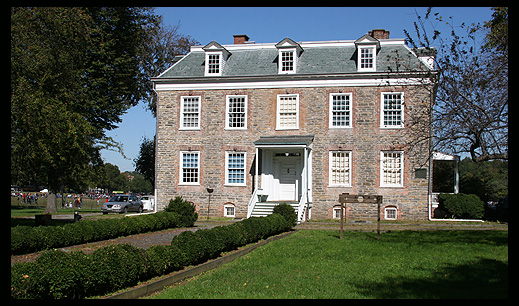
The earliest remaining architectural structure in the Bronx is the Van Cortlandt Mansion, a Georgian manor built in 1748-49. Long before that, the Bronx was home to the Weckquaesgeek and Siwanoy, Algonquin speaking members of the Wappinger Confederation. European contact began in 1609 when Henry Hudson, an English explorer sailing under a charter held by the Dutch West India Company, passed by the Bronx looking for a Northwest Passage to Asia. Jonas Bronck, a Swedish sea captain from whom the name of the borough is derived, settled here in 1639.