
Ideas for Teachers


Interactive Art: Let's Make It Happen


Artist: Christopher Janney

Art Work: Sonic Pass Blue, 1999,100’ indoor passageway with colored glass windows and sensors that produce sounds when stimulated by motion

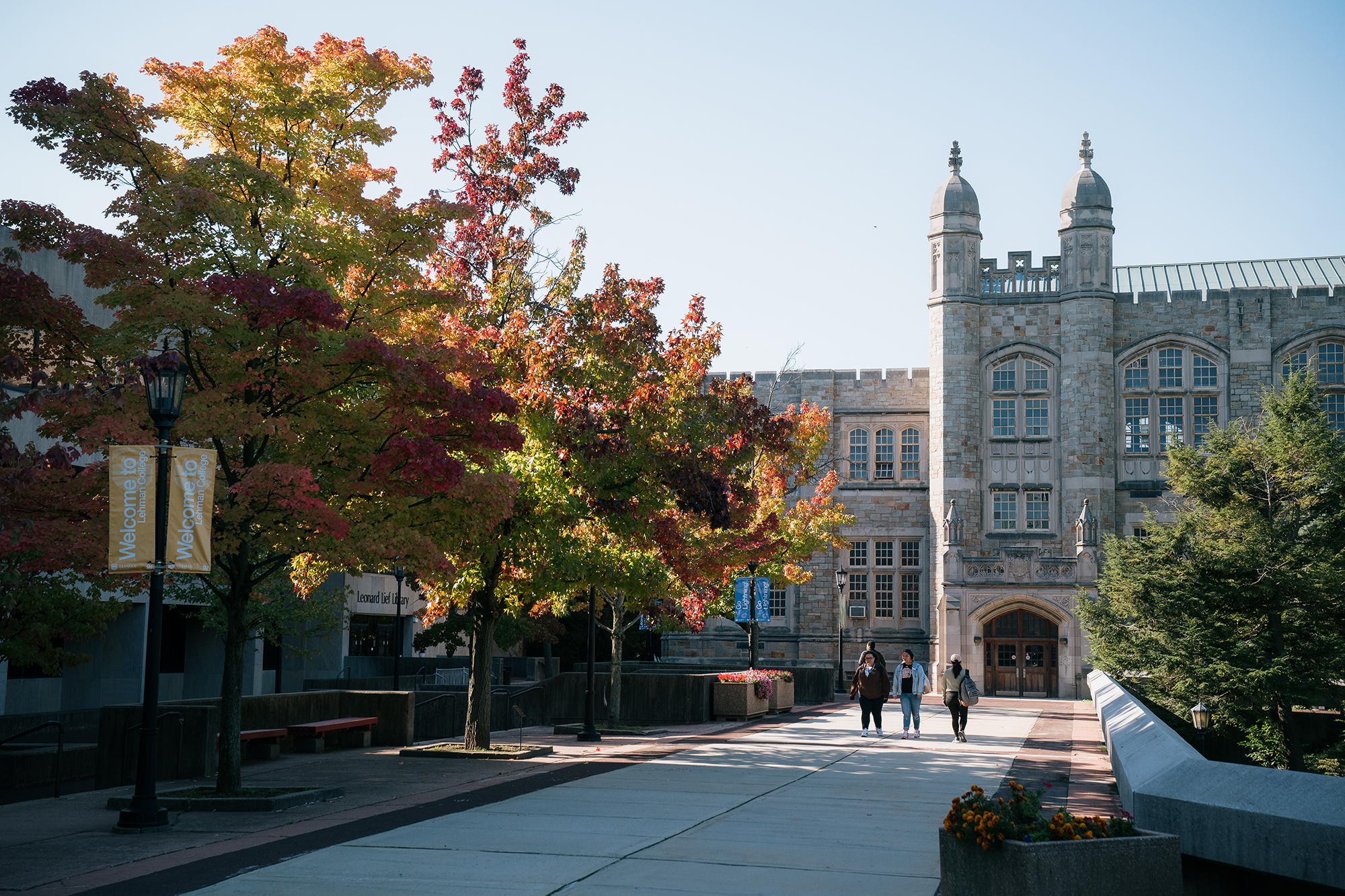
Location: Lehman College, Carman Hall, Goulden Avenue

Grades: 3-6 and Special Needs

About the Art: The walkway is an interactive light and sound installation. Using colored glass for some of the windows, the artist has turned the geometric shapes of the corridor into a soft, bright field of light. Eight photo-electric sensors, eight speakers and a polyphonic sound sampler are activated by anyone passing through the corridor. The sound sampler includes sounds of nature.

Questions for Discussion: What do you see? What do you hear? How does it make you feel to have control over the sounds that are made? How can we cooperate as a group to make our own music with this artwork?

Sample Art Activity: Students create a work of interactive art so that the viewer makes the art happen. It can be through sound or sight, by lifting lids, opening a curtain, working a flip book, making sounds, or changing movable parts.

Purpose: To demonstrate an awareness that we as viewers make art happen.

Materials: ordinary materials such as paper, paper towel rolls, recycled clean boxes, old clothing to cut apart; tools and supplies such as scissors, paint, staplers and glue.

Teaching Strategies:

  • Before the visit, read The Other Way to Listen by Baylor and Parnall to students.
  • Play music for the class, classical, rock, reggae, etc. while students respond to the music with crayons, cray-pas and other art materials. Point out connections between this activity and the work done by directors and choreographers in the movie, music and theater industries (music videos and commercials).
  • Ask students how they want people to feel when they participate in students’ art work. What can students add to their ideas to get people to participate? How will people know when to stop?
  • Let students operate each other’s art works. What changes need to be made to make the intent clearer? Are signs needed? Do they need to be made stronger if they are too weak? What ideas are good enough to be shared?

Closure: Display the work during a performance in which students act out the sequence of movements they have created. Invite friends and family to the event with flyers designed by students. Serve refreshments if you can.

Extensions: For verbal learning: Write in journals about how students made the sound happen in the exhibit, what it felt like, how did they feel as a co-creator. For kinesthetic learning: Create a video of the performance with a script that students write. For visual learning: Advertise the ‘premiere’ of the video throughout the school. Design and print a program giving credit to the performers and all those who helped.

National Art Education Learning Standards:

  1. Understanding and applying media, techniques and processes
  2. Reflecting upon and assessing the characteristics and merits of their work and the work of others
  3. Making connections between visual arts and other disciplines