






DIRECTORY LISTING
Biography
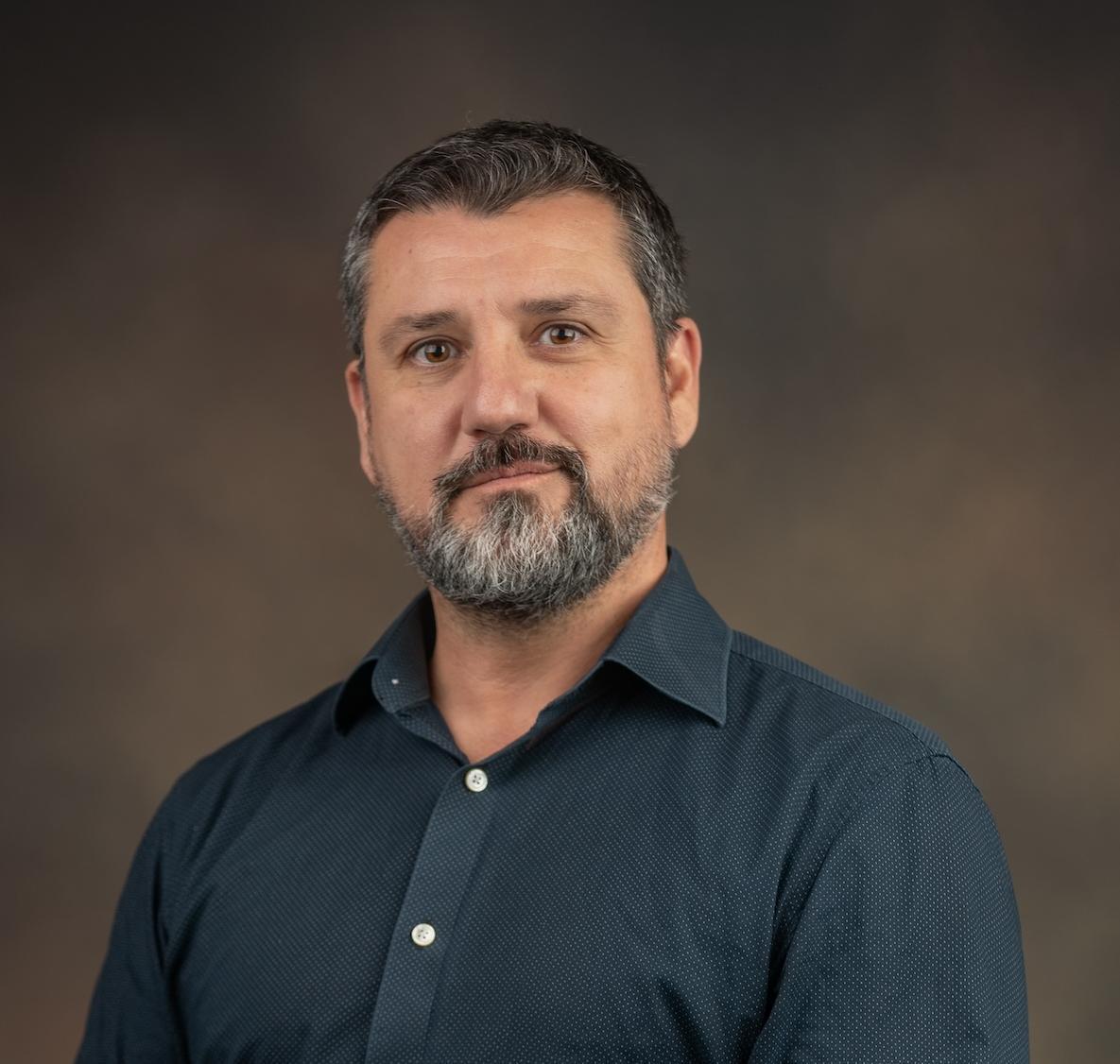
J. Gallego-Delgado, Ph.D., Biological Sciences
Julio Gallego‐Delgado earned his Ph.D. in biochemistry, molecular biology & biomedicine at Fundacion Jimenez-Diaz-Universidad Autonoma de Madrid (Spain) in 2005. Subsequently he earned a certificate and master’s degree in applied statistics at the National University of Distance Education in Madrid. Dr. Gallego-Delgado’s teaching and research focuses on parasitology and malaria pathogenesis. From 2010-2018, he was a postdoctoral fellow and research scientist at NYU Langone Medical Center; during this time, he also taught or lectured at Brooklyn College, Hunter College, NYU School of Medicine, and institutions in Spain and Tanzania. In addition, Dr. Gallego-Delgado taught a special after-school course for middle school students at the Bronx Writing Academy. He has published widely in his field and, with a co-investigator, has patented a method of prevention and treatment of cerebral malaria
Research
Malaria is a mosquito-borne disease caused by a parasite of the genus Plasmodium. P. falciparum is the species most commonly associated with severe malaria and is responsible for nearly all of the malaria-associated mortality. In the last 15 years, there has been significant progress towards controlling malaria. However, in recent years, the rate of decline has stalled and even reversed. The last World Malaria Report from the World Health Organization talks about 247 million new cases in 2021 and 617,000 deaths, mostly in children under 5 y.o. in sub-Saharan Africa. Severe malaria represents a small percentage of all malaria cases, but once the symptoms have developed, it can rapidly progress, and hospital deaths occur most often within 24 hours of admission. Major manifestations of severe malaria, which independently predict a fatal outcome, include cerebral malaria, acidosis, and renal dysfunction. My laboratory research is centered around the pathology of severe malaria. Our main objectives are: a) to identify the molecular pathways that lead to acute kidney injury in severe malaria; b) to understand the changes that occur in the endothelium of the brain microvasculature that lead to the disruption of the Blood-Brain Barrier during cerebral malaria. To achieve these objectives, we use in vitro and in vivo models of malaria and a combination of multiple tools and techniques, including Fluorescence Microscopy, ELISA, RNAseq, in situ hybridization, and TEER.
Degrees
- M.Sci., Ph.D., Autonoma University of Madrid, Spain
- MS. in Applied Statistics, National University of Distance Education, Spain