





Civic Engagement
Civic engagement is about learning how communities work and understanding how people participate in public life. Whether you are exploring an issue for class, staying informed about current events, or learning how government decisions affect your daily life, this page is here to support you.
Below you’ll find trusted tools and public resources that make it easier to learn, explore, and participate in civic life at your own pace.
Why Civic Engagement Matters
Decisions made by government leaders influence education, transportation, housing, healthcare, and community resources. When students understand how public systems work, they are better prepared to engage thoughtfully, ask informed questions, and contribute to conversations that shape the future.
Civic engagement also builds valuable skills such as communication, research, leadership, and critical thinking that extend beyond the classroom.
Find Your Representatives
Knowing who represents you is an important first step in understanding how government works. These tools allow you to look up local, state, and federal officials using your address.
- USA.gov Elected Officials: Find official contact information for representatives across the country.
- Congress.gov Member Lookup
Learn more about U.S. Senators and Representatives and view their legislative activity. - MyGovNYC: Search for New York City and State government offices and representatives.
- NYC Council Member Finder: Find your New York City Council representative and district information.
- Contact NYC Government: Find official ways to contact city agencies and public offices.
Learn About Laws and Government
Understanding how laws are created and how policies move through government helps make civic participation more accessible. These tools allow you to explore legislation and learn how public institutions function.
Track Bills and Policy
- USA.gov How Laws Are Made The official source for U.S. Congressional bills and policy updates.
- GovTrack: A public data tool that makes it easier to follow bill progress and congressional activity.
- NY Assembly: Search New York Assembly bills and session information.
- NY Senate: Explore New York Senate legislation and public hearings.
- NYC Council Legislation Tracker: View proposed New York City laws, resolutions, and committee activity.
Learn How Laws Are Made
- USA.gov How Laws Are Made: A clear overview of the federal legislative process.
- C-SPAN Classroom: Short videos and learning tools that explain public policy and government in actio
- NYC Government Structure and Charter: Learn how New York City government operates.
Stay Engaged and Informed
Staying engaged helps students remain connected to public conversations and community decision-making.
Attend Public Meetings and Forums
Public meetings and town halls offer students opportunities to learn about current issues and hear directly from public officials. Students can attend virtual or in-person meetings, observe legislative hearings, and participate in community forums and information sessions.
- NY Assembly Hearings: Watch live and recorded Assembly hearings on proposed legislation.
- NY Senate Events: View upcoming public meetings, hearings, and community events hosted by the New York State Senate.
- NYC Council Hearings and Meetings: Watch live and recorded City Council hearings and public meetings.
Stay Updated
Reliable information helps students better understand public issues and government activity.
- Federal Election Commission: Access official campaign finance and election data.
- Vote Smart: Explore factual profiles of public officials and voting records.
- NYC Votes: Learn about city elections, voter registration, and local ballot information.
- NYC Open Data: Explore public datasets related to housing, transportation, health, and city services.
Civic Action
Civic action often begins by identifying an issue or cause you care about. When a topic affects your community, education, or daily life, civic action offers structured ways to participate through public systems. This process focuses on learning, communication, and engagement.
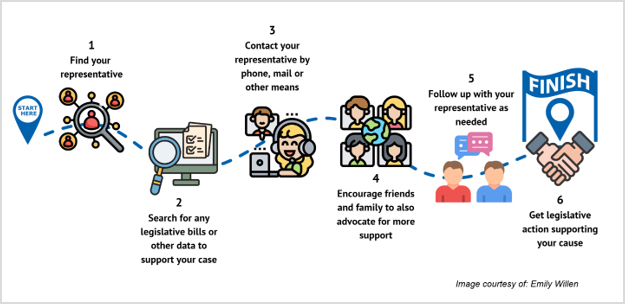
How Civic Action Works
- Find Your Representative
Start by identifying the public officials who represent your district and community. - Learn About the Issue
Take time to review reliable information, legislation, or public data related to your topic. - Communicate Through Official Channels
Use phone calls, emails, letters, or official contact forms to share questions, feedback, or concerns - Build Awareness
Share information with classmates, friends, and community members to help raise awareness - Follow Up
Stay engaged by tracking updates and reviewing responses over time. - Observe Outcomes
Continue monitoring public discussions, decisions, and policy changes related to the issue.
Resource Note
The links on this page connect you to public information tools and educational resources. They are provided to support learning and exploration. Students are encouraged to review information thoughtfully and use multiple sources when researching public issues.