

News
Search All News
Thursday, October 22, 2026
Office Hours
Monday - Friday 9am - 5pmClosed Sat. and Sun.
How Is New York City English Changing?
May 13, 2026
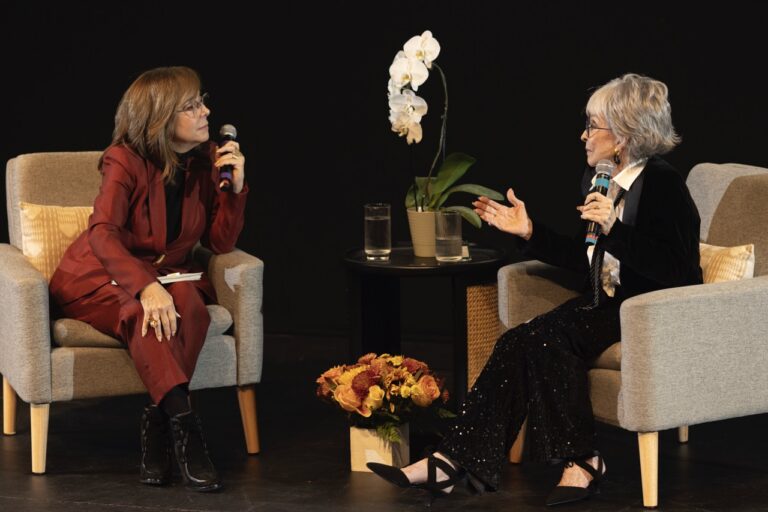
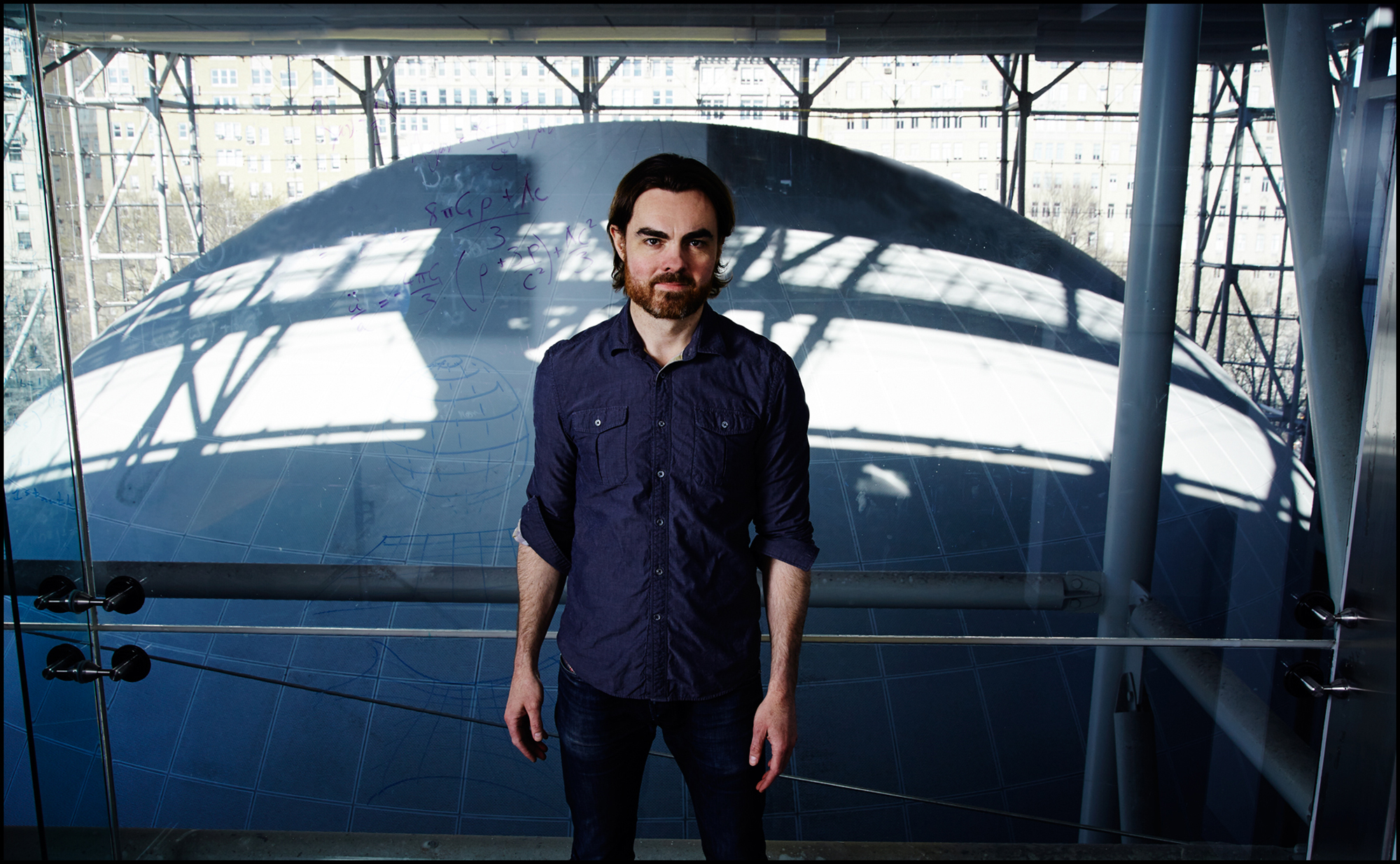
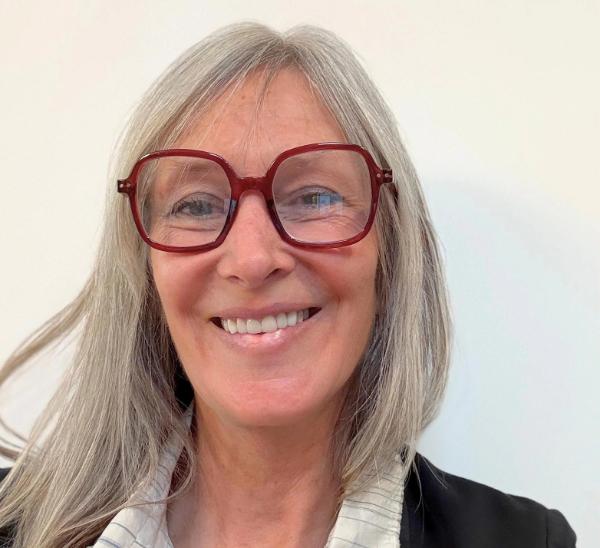
Professor Cecelia Cutler, a Lehman faculty member in Middle and High School Education and the M.A./Ph.D. program in Linguistics at the CUNY Graduate Center, has been working on the “Corpus of New York City English” since 2014. The long-term project documents the varieties of English particular to New York City and the surrounding region through recorded and transcribed interviews, and is the product of Cutler’s ongoing collaboration with her CUNY colleagues Bill Haddican and Michael Newman from Queens College, and Christina Tortora from the College of Staten Island. In this Q&A, Cutler talks about the Corpus’s development and what it reveals about the local dialect colloquially known as “New Yorkese.” Currently she’s on a fellowship at the Stellenbosch Institute of Advanced Study, based at the University of Stellenbosch in South Africa, where she’s been working alongside an interdisciplinary group of researchers on a book about scholarly integrity in linguistics. Language Activism, a volume of essays she co-edited, was released last May. The interview has been edited for length and clarity.
How would you describe the Corpus of New York City English?
The Corpus of New York City English is a digital tool that shows different pronunciations and grammatical patterns in the speech of New Yorkers. Vowel and syntactic patterns are not things that people think much about. And vowels are certainly not something people can really describe. A lot of sociolinguistic research is on vowel differences—particularly how vowels shift over time—making them really interesting to look at linguistically, because that’s where you see a lot of change. The word might stay the same, but older people often pronounce it differently than young people, and people in different parts of the country will pronounce it differently.
How did CUNY students contribute to the project?
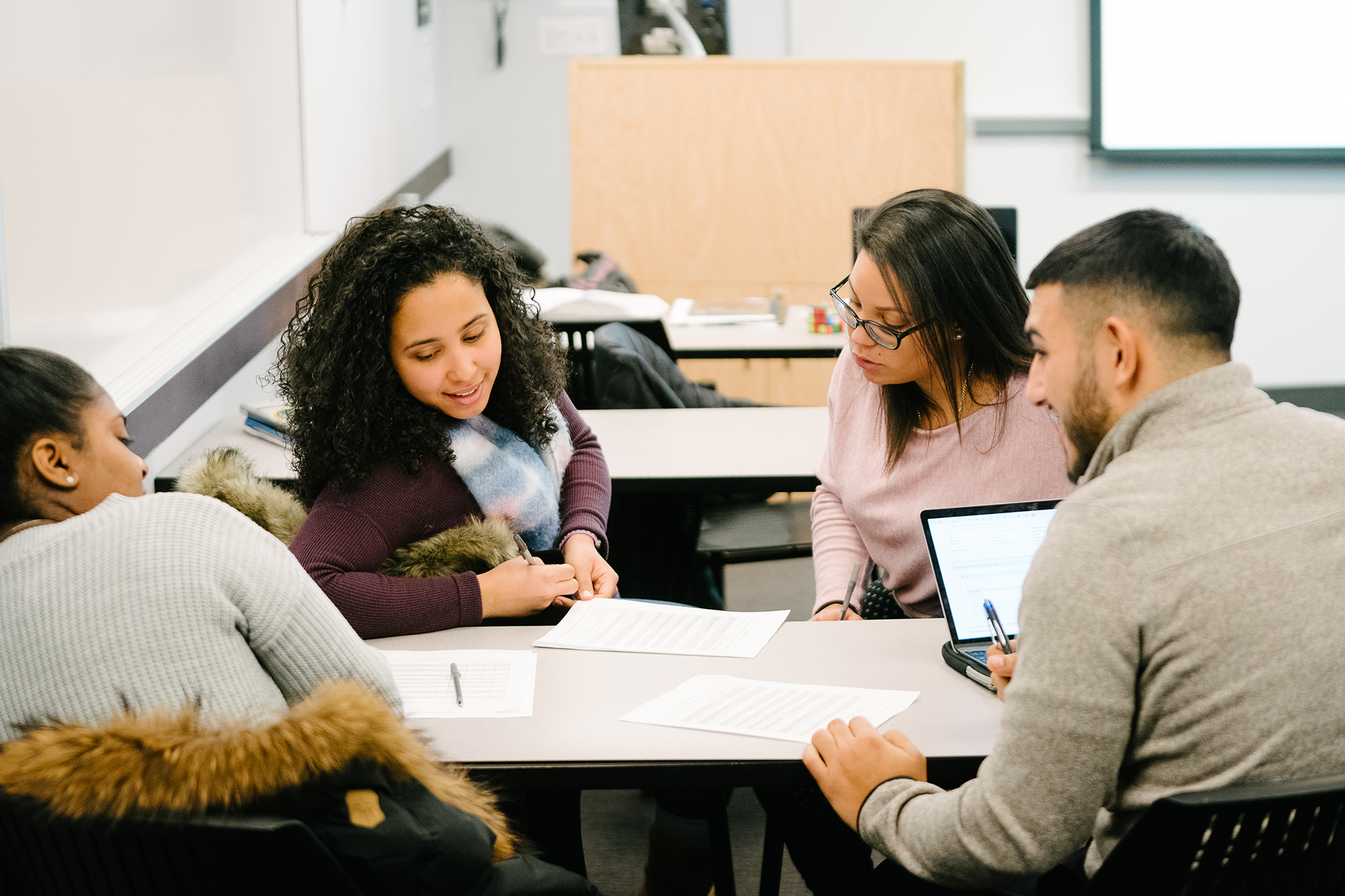
CUNY undergraduates were involved in collecting most of the interviews for the project. I taught an undergraduate course at Lehman College, trained the students how to conduct sociolinguistic interviews, and sent them out to collect data in their communities. In total, we were able to train over 300 CUNY undergraduates at Lehman, Queens, and the College of Staten Island to conduct and in some cases also transcribe interviews.
What can people do with the corpus?
Currently it’s accessible to the public in limited form. People can access the transcriptions and sound files of the interviews to analyze vowels. We have close to 200 interviews that have been set up for that. The full corpus will be available for analysis of syntax and related elements once each word has been parsed or tagged. Parsing allows us to search for parts of speech and understand how the structure of language might be changing.
In a parsed corpus, a sentence like "The dog barked" might look like this:
(S
(NP (DT The) (NN dog))
(VP (VBD barked))
)
S = Sentence; NP = Noun Phrase; VP = Verb Phrase; DT = Determiner; NN = Noun; VBD = Verb (past tense)
What kinds of New York speech patterns does the corpus document?
If you get a baseline for a particular vowel, then you can see whether people are raising or lowering the vowel or see what their vowels look like relative to other speakers’ pronunciations. You can see across a sample of speakers born at different times whether there’s a change in progress. A classic example is the “short A.” It occurs in words like “mad,” “cab,” and “glass,” which sound a bit like mee-ad, kee-ab, and glee-ass in the speech of some New Yorkers. And then, of course, there’s the “cot”/”caught” distinction. In some dialects of American English, “cot” and “caught” rhyme, but in New York City, “cot” and “caught” have different vowel sounds. The corpus allows us to see how patterns like the “short A” and the vowels in “cot/caught” are changing.
What is the future of New York City English?
It is not disappearing. It’s just changing, and it’s always been changing. For instance, there’s an interesting thing happening among younger speakers in Queens, which is documented in interviews, of what we call vowels fronting. You can hear it in the way some young Californians pronounce the “u” and the “o” sounds in words like “tubular,” “dude,” and “over.” It’s not a local pronunciation pattern, but young New Yorkers have begun using it in their speech. We’re starting to hear that in New York City, in the speech of young people.